The world that children are growing up in today is filled with distractions, their phone screens grabbing their attention like a powerful magnet. But in the remote wildlands of Catalina, the screens lose their pull. In late spring, a group of young students on Catalina set their phones aside, disconnected from social media, and instead became fully immersed in nature.
“This is so important for children because they get a chance to connect to the environment, to explore and get away from all the technology and all of the noise,” said Patrice Morris, a chaperone and counselor at Thurgood Marshall Elementary School.
For many of the children, ages 11 and 12, it was their first time on Catalina, and their first time hiking and camping. The Watershed Conservation Authority’s Community Connection to Wildlands Program takes Southeast Los Angeles County youth on nature-oriented adventure activities to locations beyond the urban environment. The program provides participating students with transportation, accommodations, activities, tents, sleeping bags, meals and other camping essentials.
“I am so proud of the WCA program because students who might not otherwise have the opportunity can sleep under Catalina’s stars, explore its wildlands and experience the Island as a living classroom,” said Director of Education Dr. Jolie Colby. “My hope is that they leave with more than just memories, but a lasting sense of connection, belonging, and responsibility for this remarkable Island.”
Through this partnership, the students traveled to the Island to experience the Wrigley Memorial & Botanic Garden, Ben Weston Beach, Black Jack Campground and even went underwater with a submersible excursion. Conservancy staff guided the students, teaching them about the Island’s native and endemic plants and animals.
“The kids are our future, and it’s really important for us to spark that steward in them,” said Education Program Coordinator Gerardo Luna. “They see how important it is to take care of the plants and just see that there’s a world out there that we need to take care of.”
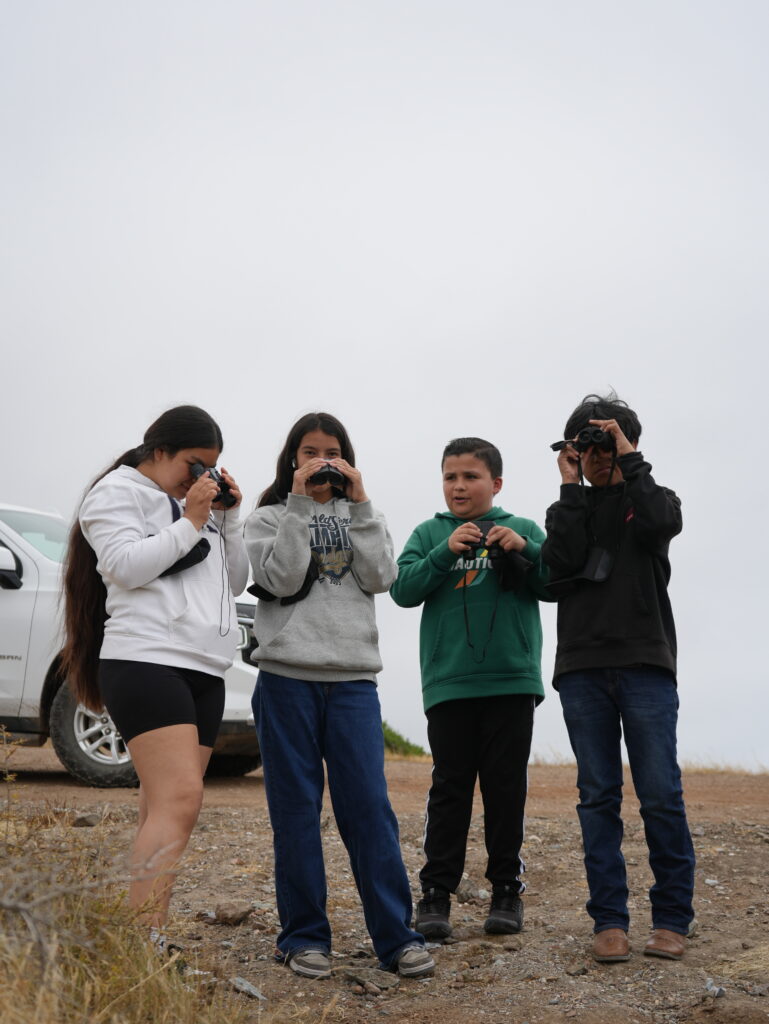
On their hike to Ben Weston Beach, Luna and educator Nicholas Burgess pointed out plants along the path. The students were invited to touch and smell various plants and describe the senses they were feeling. “It was amazing today, such a fulfillment, a calm and a peace,” said Morris. “We indulged in listening to the birds and the sounds of the ocean, the waves.”
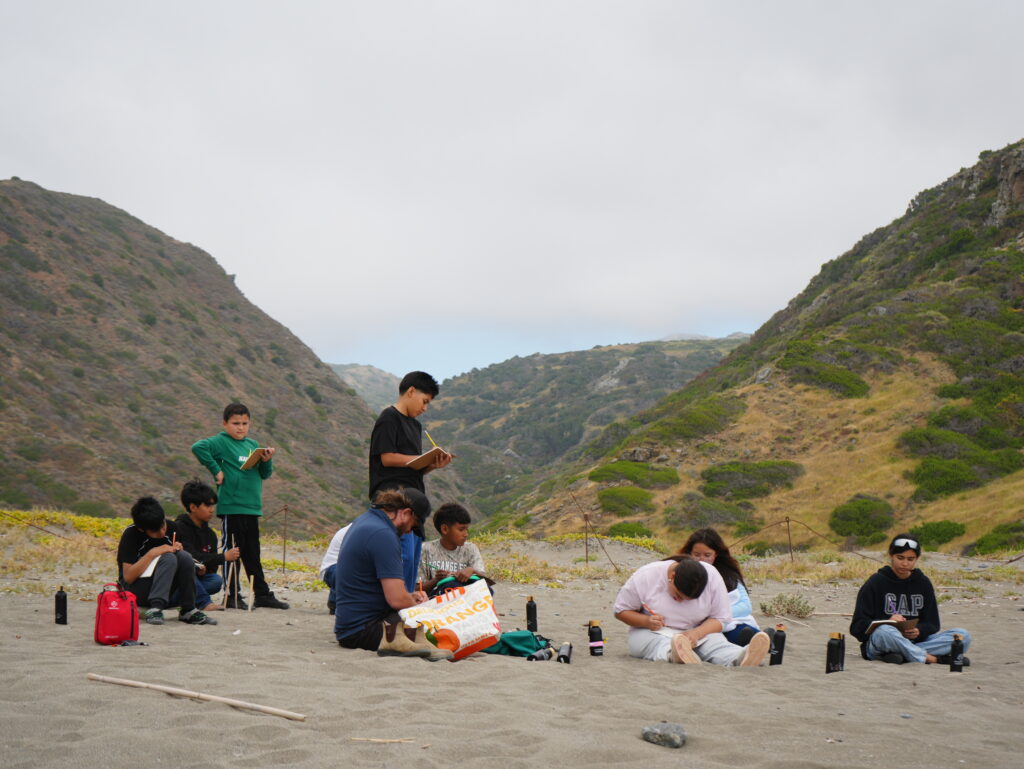
Once they made it to the beach, the group paused for a moment of reflection through writing.
“We introduced them to nature journaling, which is something I wish I was introduced to as a kid,” said Luna. “I think it’s a beautiful way to connect and just save that moment. The brain is going to bring all these memories and all the emotions they were feeling on this trip. I view it as grabbing that moment and saving it forever.”
For Burgess, who has led the Community Connection to Wildlands Program for the Conservancy for two years, it was a reminder of his early years on the Island.
“I remember the people who showed me this Island,” he said. “The first time jumping into the water and swimming over bat rays and getting my mind revamped and hooked on this place. And I hope these memories last for them and in 20 years they remember this day as well. [Leading them] is an honor, a privilege.”
After a full day of exploration, the children gathered at Black Jack Campground near Catalina’s highest peak for a meal and discussion. They shared their favorite parts of the day as students on Catalina Island, along with what they learned.
“I hope they feel like they’ve challenged themselves, pushed themselves and grown,” said Burgess. “They’ve maybe conquered a fear, stepped out of their comfort zone and leave feeling not only a connection to this place, but the confidence to go out hiking and camping. And not only learned about themselves but the Island and the endemic plants and animals, some sort of passion for the outdoors.”
As the sun set, the students on Catalina kicked around a soccer ball before everyone’s favorite camp activity: s’mores.
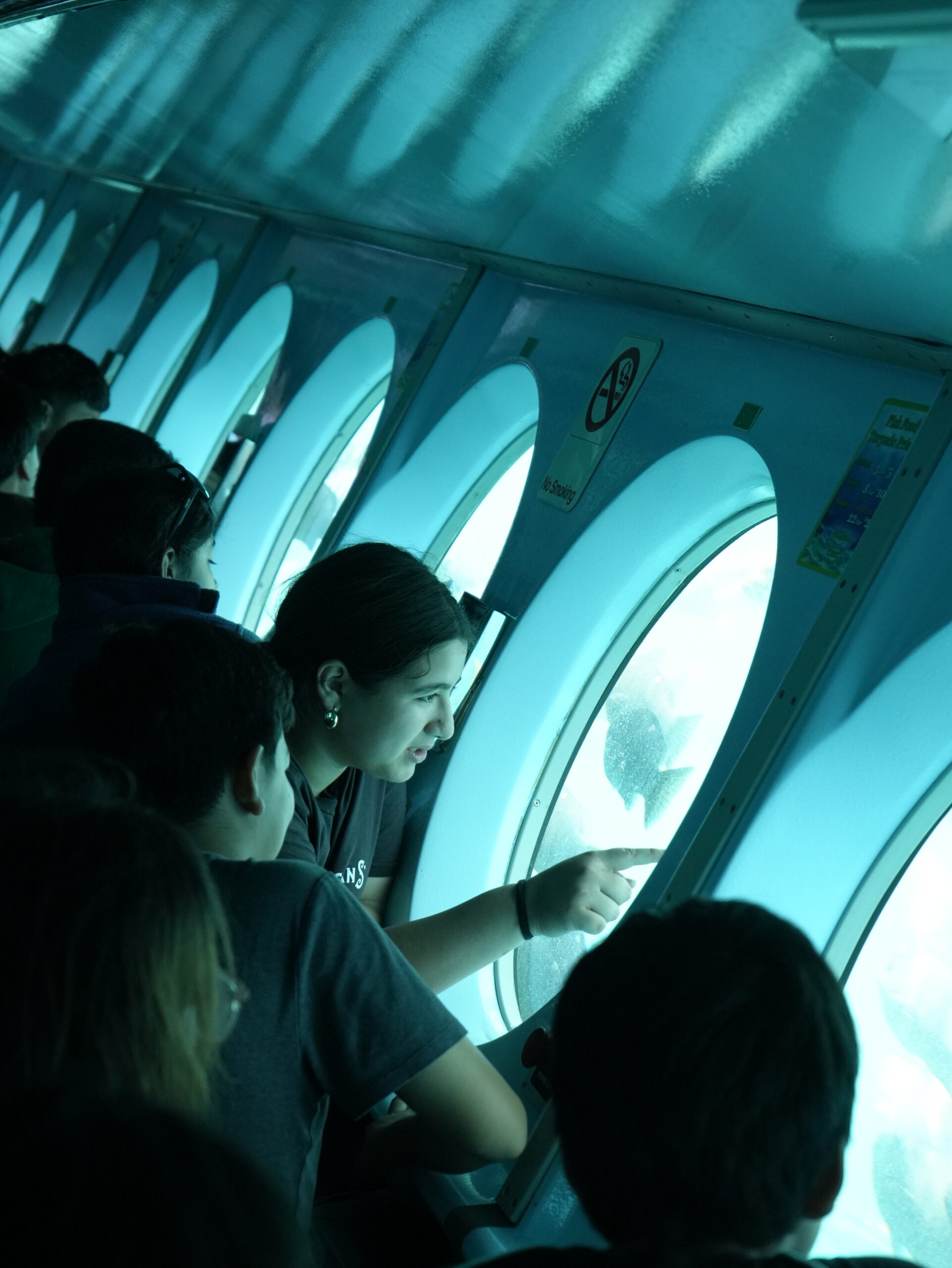
The next day brought a cool morning for breakfast at picnic tables before they loaded up to head to town for one last adventure. The students gathered on the green pier and filed onto a submersible, which took them for a partially underwater tour of the shore near Avalon. As they fired fish food from the submersible’s cannons, the children let out excited gasps when hundreds of fish in a variety of colors and sizes gobbled up the food.
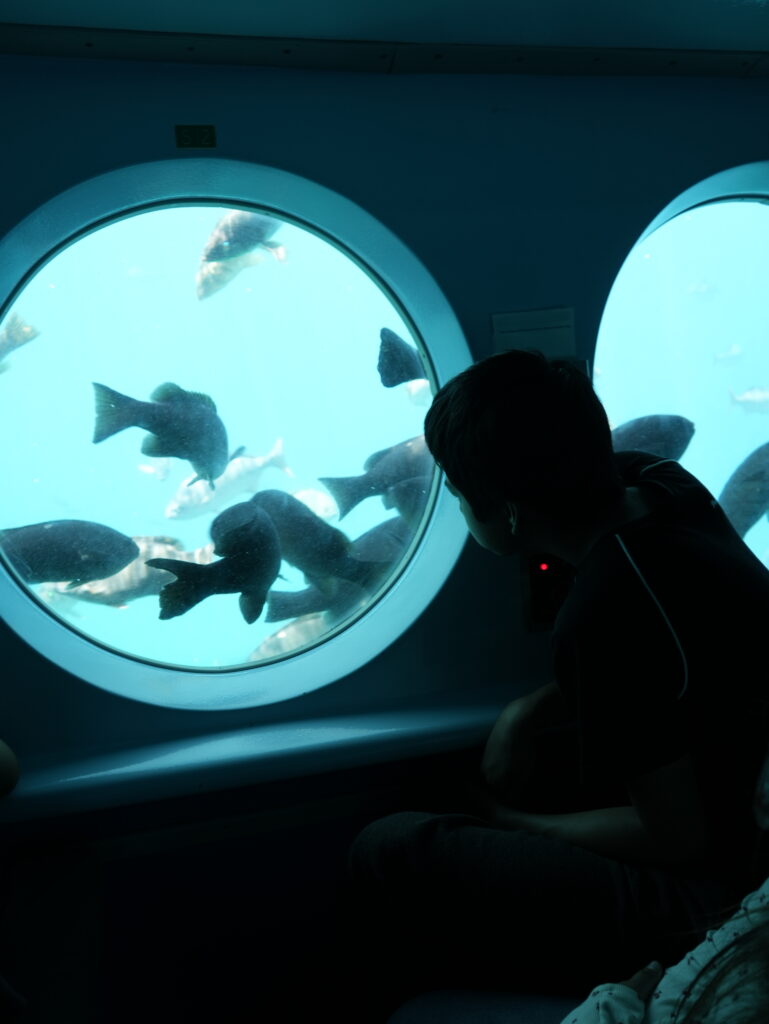
“You can see it on their faces,” said Luna about the students on Catalina. “I get excited and I can see that excitement transmitted to them.” After a weekend of new adventures and lasting memories, the children bid farewell to Catalina before riding back to the mainland. It was a trip they won’t soon forget.
“Those connections can go deep and they last a lifetime,” said Burgess. “It’s about instilling a belongingness in the wilderness and outdoors, an appreciation for it and a stewardship so they can value it and continue to cherish it and respect it their whole lives.”
This experience is supported by the Watershed Conservation Authority’s Community Connection to Wildlands Program, which provides youth from Southeast Los Angeles County with free, immersive outdoor learning opportunities. To date, more than 200 students on Catalina have participated in this program