The Next Era of Catalina Island is Beginning. But First, Look How Far We’ve Come.
Island RestorationIsland Restoration Reflections
June 24, 2026
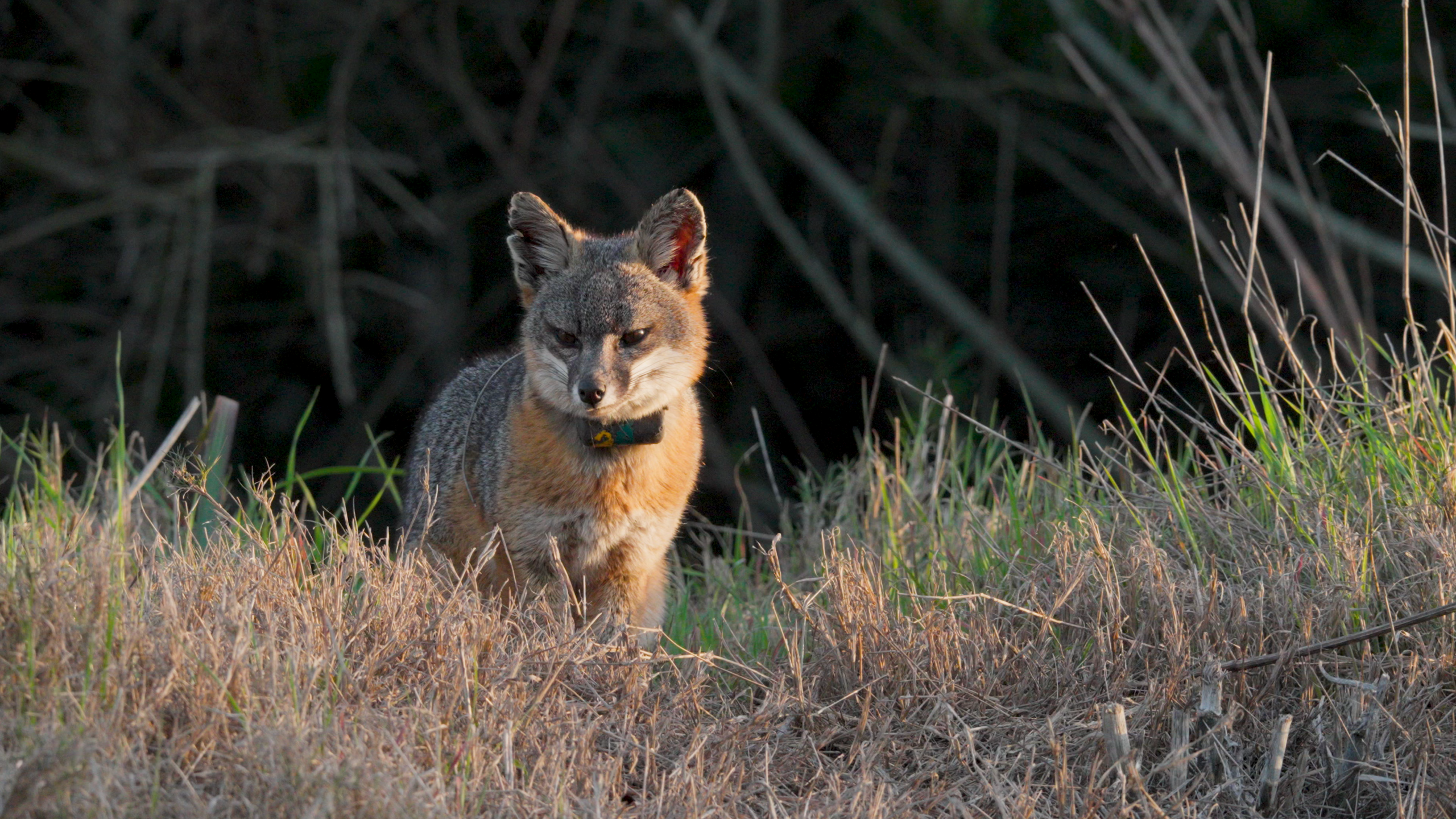
In 1999, the Catalina Island fox population collapsed by more than 90% in a single year — from roughly 1,300 foxes to just about 100. The canine distemper virus, later linked to mainland raccoons as a likely boat stowaway, sent the island fox on a path toward extinction.
What happened next is one of the fastest mammal recoveries in the history of the U.S. Endangered Species Act. The Institute for Wildlife Studies in partnership with the Catalina Island Conservancy, launched an emergency captive breeding program, vaccinated hundreds of wild foxes, and partnered with state and federal agencies to bring the species back. Today, approximately 2,162 foxes live on the Island — surpassing pre-crash numbers entirely.
It wasn’t the first time the Island community rallied to protect its wildlife. In the 1980s, bald eagles — absent from Catalina Island for decades due to DDT pesticide contamination — were carefully reintroduced. Today, the Island is home to eight breeding pairs and dozens of chicks are born here each year before flying off on their own.
These stories are proof of what becomes possible when science and our community’s unwavering commitment to this Island come together.
That same commitment is behind Operation Protect Catalina Island — the most ambitious habitat restoration project in the Island’s history.
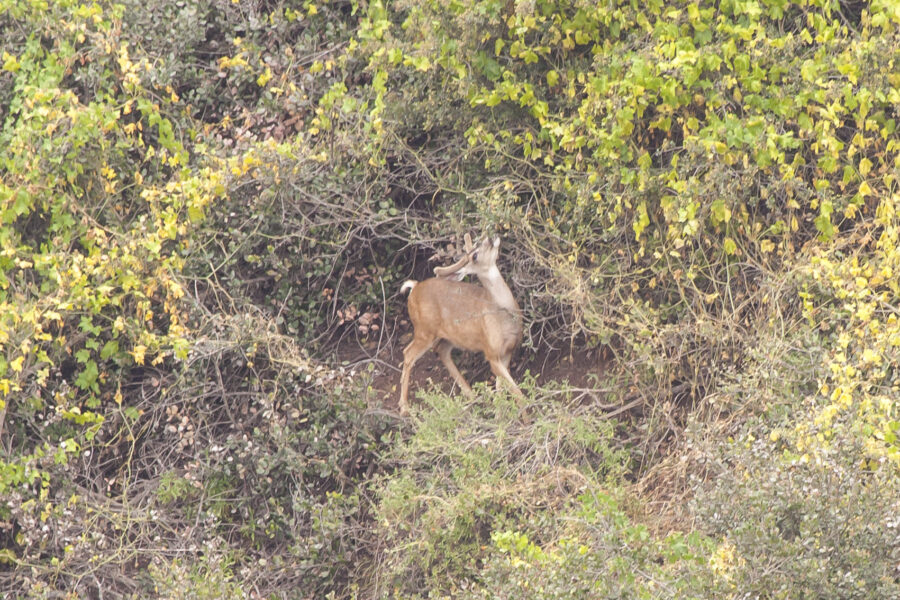
Today, more than 35% of ecosystems on the Island are dominated by invasive annual grasses. That threat is increased due to invasive animals, like the mule deer, which eat away native vegetation faster than it can recover, leaving openings for annual grasses. These invasive grasses, which dry quickly in the dry season, are easily ignitable, have severely impacted local ecosystems, threatening more than 60 plant and animal species found nowhere else on the planet.
Operation Protect Catalina Island will work to reclaim and restore balance through its multi-decade habitat restoration initiative that starts small and scales island-wide. Teams will begin in a 10-acre area near Airport in the Sky, refining native planting and monitoring techniques before expanding to a 105-acre high-priority restoration zone, and eventually across Catalina Island. It’s a long-term commitment built on science with transparency at every step.
The fox came back. The eagles returned. The Island has shown us time and again, what’s possible when we protect it, together.
Learn more at catalinaconservancy.org/protect.