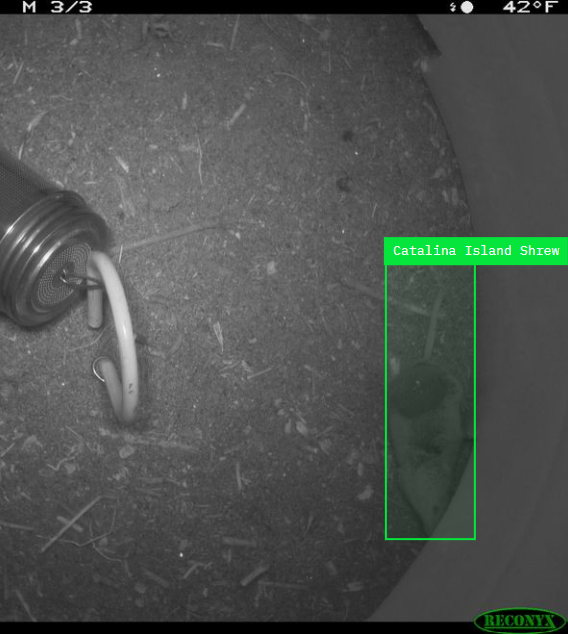
It had been years since anyone had seen the small fuzzy creature with a long snout on Catalina Island. Scientists had even feared it was extinct until it resurfaced in 2003. But in March, new surveillance footage captured the endemic shrew devouring a meal on the Ben Weston Trail.
An adult shrew is less than 4 inches long from the nose to the tip of its tail and weighs under 4 grams. Though it resembles a rat or mouse, it’s not a rodent. Shrews are insectivores and use their long noses to access hidden insects below the dirt. Given their petite size and brown-gray coloring, the mammal is particularly difficult to spot.
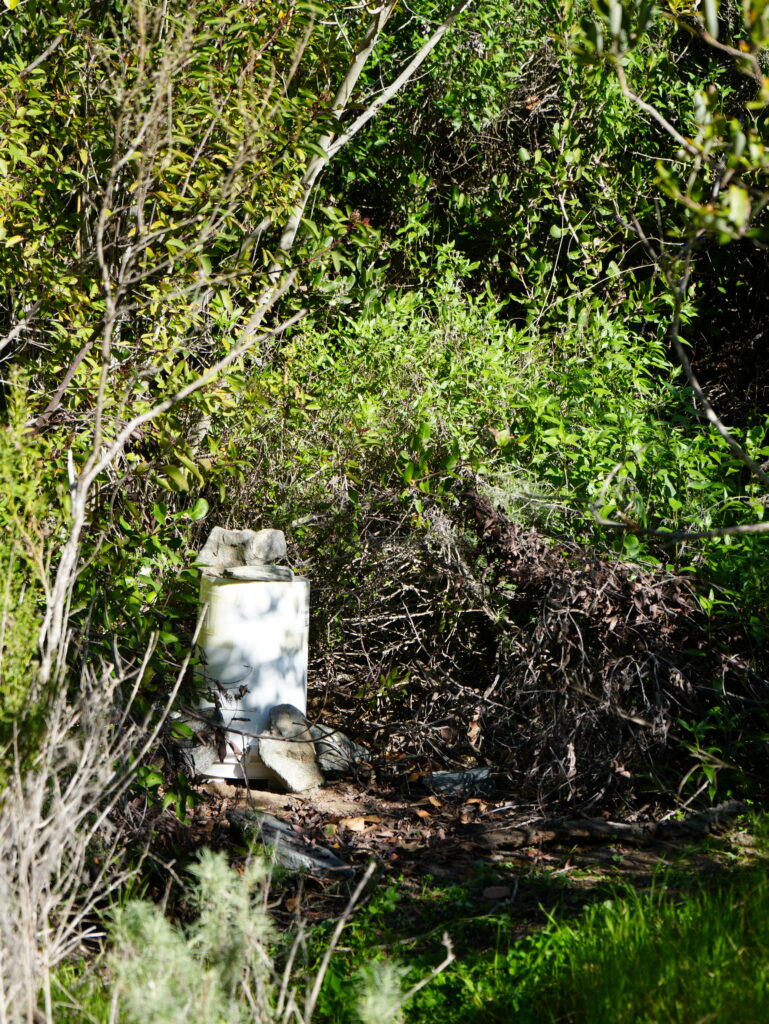
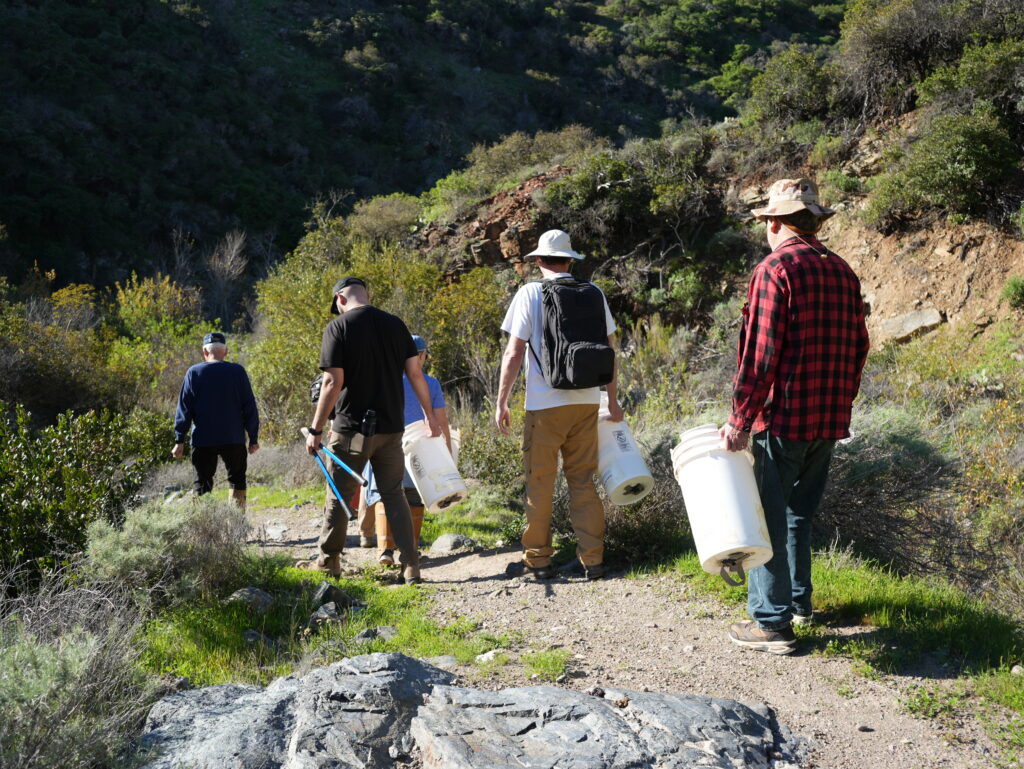
Conservancy volunteers had just placed the camera traps near the trail in January. Secured into the bottom of an overturned 5-gallon bucket, the cameras are triggered by a motion sensor.
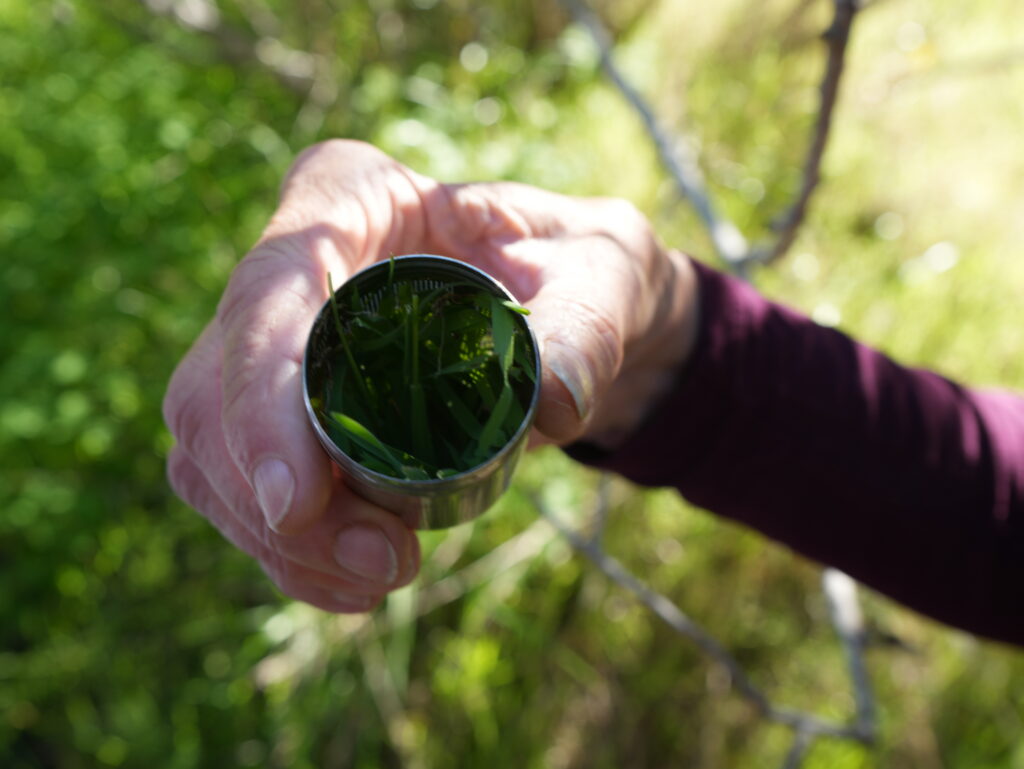
“We bait the buckets with mealworms because the shrews are attracted to the sound of the mealworms crawling in the bucket,” explained Wildlife Conservation Manager Katie Elder. “We put the mealworms in these metal tea strainers, and the shrews are just circling the tea strainers trying to get at those mealworms.”
The bucket has small holes in it that allow the shrew to enter and exit freely. That’s because scientists don’t want to actually catch the shrew.
“Because they’re insectivores, they have a really high metabolism, so they have to eat constantly or they’ll die,” Elder said. “Trapping them is risky because when their population is so low that you think they’re extinct, you can’t afford to accidentally kill any individual.”
The latest camera surveillance has been ongoing since 2018. But within the first four years of that monitoring, only two Catalina Island shrews were seen on camera. The Catalina Island shrew was listed as a Species of Special Concern in 1996 by the California Department of Fish and Wildlife. They have a short lifespan of 12 to 16 months, so environmental shifts such as prolonged drought could have a serious effect on their population size.
Due to their elusiveness, the true size of the shrew population is not known. Island researchers refer to its mainland relative for information about its breeding and lifestyle behaviors.
“Shrews have been historically found in riparian areas, so near a waterway,” Elder explained. “We’re in Ben Weston where there’s a lovely stream that’s here all year round. February-May is the time of year that their relatives on the mainland are in peak breeding season, which corresponds with their high activity levels that we’ve detected here on the Island. Because we know so little about the shrew, we’re just kind of guessing right now and going off info we know from mainland relatives.”
For Patricia McCormick, an Island resident and longtime Conservancy volunteer, placing camera traps was a great way to learn about Island wildlife while exploring a place she loves.
“The tenacity of the people that have to study it and to hope for a single shrew sighting is really impressive, it gives me hope for the future,” she said. “And the shrew – we don’t even know what its impact is on island life, so that’s what I want to be part of, something bigger than myself.”
Throughout the experience, McCormick channeled one of her favorite outdoor explorers.
“John Muir, when he would study animals and plants, after he got to know them and draw a picture of them, he’d rise up in berserk ecstasy,” she said. “I think I’m approaching that in learning something new.”
And researchers learned something important, too. Catalina can still count the shrew among its Island residents.
“We thought that the shrew was extinct for a long time, but we were able to detect it so now we’re just trying to better understand it and see what we can do to support their population,” said Elder.
This monitoring operation was funded in part by the Glanville Grill Foundation.