
The scientific studies of a pair of Conservancy plant ecologists about island plants were recently published in June. Informed by their work on Catalina and other Channel Islands, the findings provide insight into California island plants and their histories.
Tissue Culture for Rare Plant Conservation
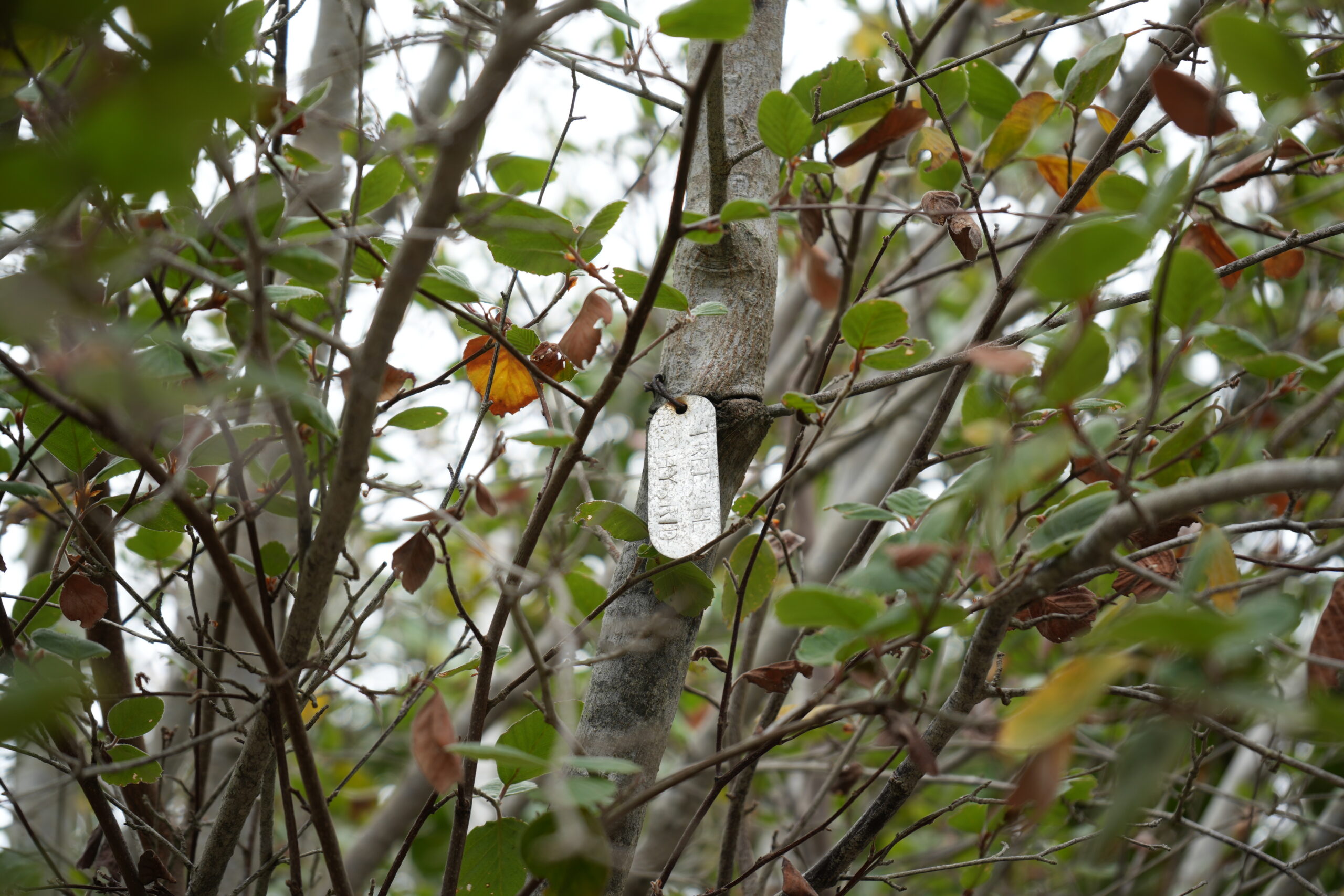
In his article titled Tissue Culture for Rare Plant Conservation: Examples of Species and Techniques from the California Islands, Native Plant Manager Kevin Alison explains how plant tissue culture is a powerful tool to preserve rare species into the future.
Alison argues that growing rare plants from small samples of plant tissue in a lab can help prevent extinction when other conservation methods have failed.
Case studies in Alison’s article include the Catalina Island mountain mahogany (Cercocarpus traskiae), Santa Catalina Island ironwood (Lyonothamnus floribundus ssp. floribundus), two oaks (island scrub oak, Quercus pacifica, and island oak, Q.tomentella), Island barberry (Berberis pinnata Lag. subsp. insularis) and rare liveforevers of the island (Dudleya gnoma and D. pachyphytum).
Only six genetically pure individuals of the critically endangered mountain mahogany are known to exist on Catalina, making it one of the rarest trees in North America. Similarly, there are fewer than 160 groves of ironwood trees on the Island. The oaks, barberry and liveforevers are all listed as endangered species by the IUCN.
“Unique challenges require innovative solutions. When traditional forms of rare plant preservation fail, we need other options to ensure these highly threatened species aren’t lost forever,” said Alison. “Our conservation methods outlined in this paper provide essential tools to the plant scientist’s tool belt.”
Alison concludes in his article that plant tissue culture can help conserve rare California Island plants. He writes that further efforts are required to complete and refine the propagation protocol. That includes adding more genetically distinct plants to conservation garden collections. Read the full paper here.
Origins of Channel Islands Oaks
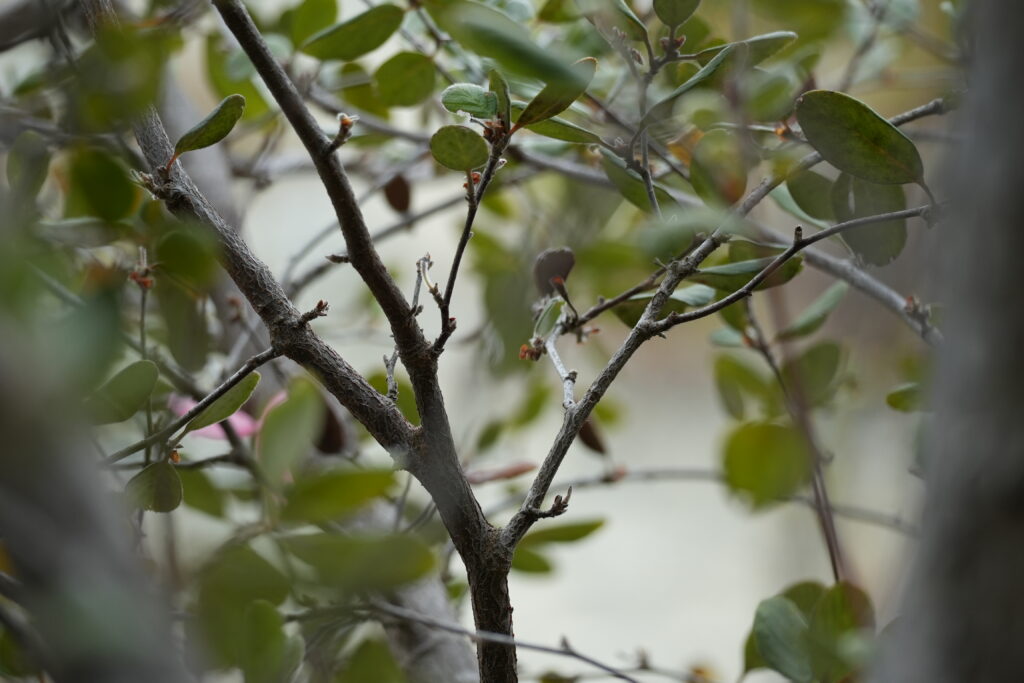
Senior Conservation Scientist John Knapp is one of five authors of Genomic Data Clarify Identities and Origins of Purported Hybrids and Anomalous Oaks on the Channel Islands of California. This paper explores the process of hybridization among oaks and studies the timing of mainland species’ arrival on Channel Islands. They found that hybridization among oaks is a naturally occurring process and that three mainland oaks had hybridized hundreds of years ago with the island scrub oak (Q. pacifica).
To support their investigation, the authors collected samples from three Channel Islands, including oaks believed to represent different species and their hybrids. They extracted DNA and completed whole-genome sequencing.
Detailed DNA sequencing showed that the oak they tested hybridizes with at least three other oak species on the Channel Islands. The genetic evidence suggests this oak acts as the maternal parent in hybrid crosses, producing seeds fertilized by pollen from other oak species. They also found that all hybrids appear to be first-generation crosses, meaning they formed relatively recently.
Given the high number of different oak types on the Channel Islands, the authors suspect that Indigenous people may have dispersed mainland oaks to the Island, and those more common species hybridized with the endemic island scrub oak. However, the hybrids are relatively rare as with the Englemann hybrids on Catalina and the blue oak hybrids on Santa Cruz Island. The paper identifies the potential risks of hybridization to island scrub oak.
“Understanding what oaks we have allows us to know what to protect,” said Knapp. “It answers some unknowns about what the plant species and vegetation on Santa Catalina and Santa Cruz islands were like pre-European contact, which we know little about. Coupled with climate change projections, this data provides the Conservancy and other island managers a better understanding of what we may have lost, what to possibly restore, and how to manage the nature resources into the future. We cannot go back to the past, but we must learn from it.”
This research is the product of a collaboration between the Catalina Island Conservancy, The Nature Conservancy and UCLA.
Read the full paper here.
More Conservation
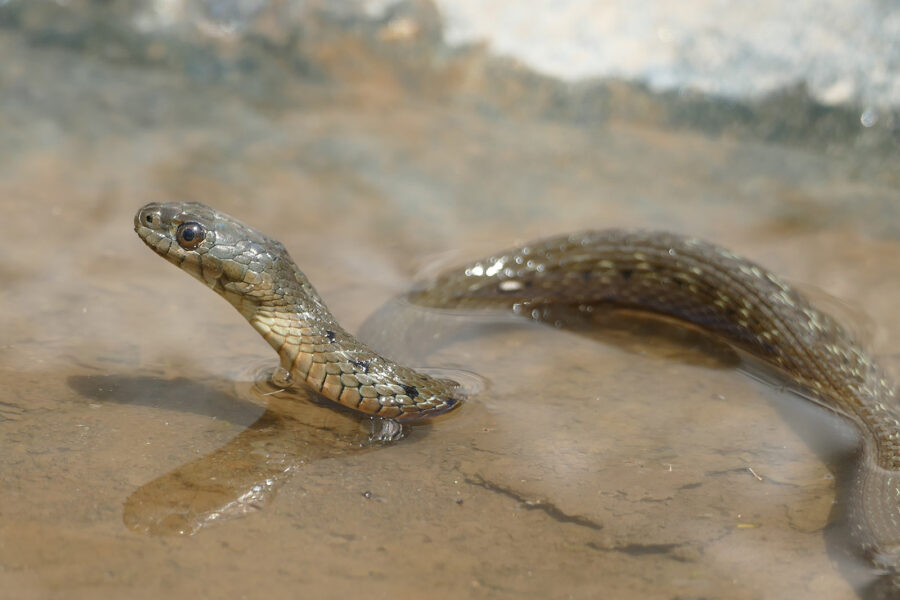
Snakes, frogs, and lizards…oh my!
ConservationOn the morning of April 5, 2022, Catalina Island Conservancy staff, American Conservation Experience interns and three Loma Linda University graduate students conducted an extensive survey spreading all the way from Ben Weston to the Airport in the Sky.
Continue Reading