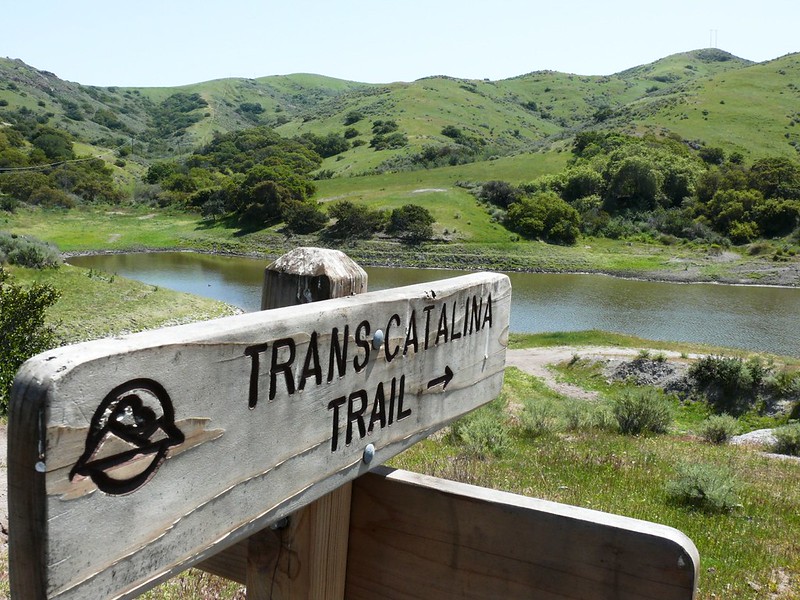
Scenic views of lush mountainsides, sparkling ocean waves and vast curtains of clouds make the Trans-Catalina Trail a bucket list hike for outdoor enthusiasts around the world. For Conservancy Recreation Director Scott Ammons, it was the perfect way to spend his 50th birthday.
“We hiked in early spring after the winter rains when the Island was lush and green,” he recalled. “My friend and I put together the trip to celebrate both of our 50th birthdays. We hiked the trail in reverse, started with just the two of us then others joined along the way. By the time we ended in Avalon for a celebratory dinner, there were 10.”
Whether it’s to celebrate a milestone birthday or to embark on a challenging trek, the Trans-Catalina Trail offers a unique hiking experience only found on Catalina. The trail officially opened in 2009 and previously ended at the remote Starlight Beach before it was redirected for a more logical end in Two Harbors. Ammons guided hikers on this trail for years in his previous role at REI, the outdoor retailer, where people from age 18 to 80 trekked across the 38.5 miles.
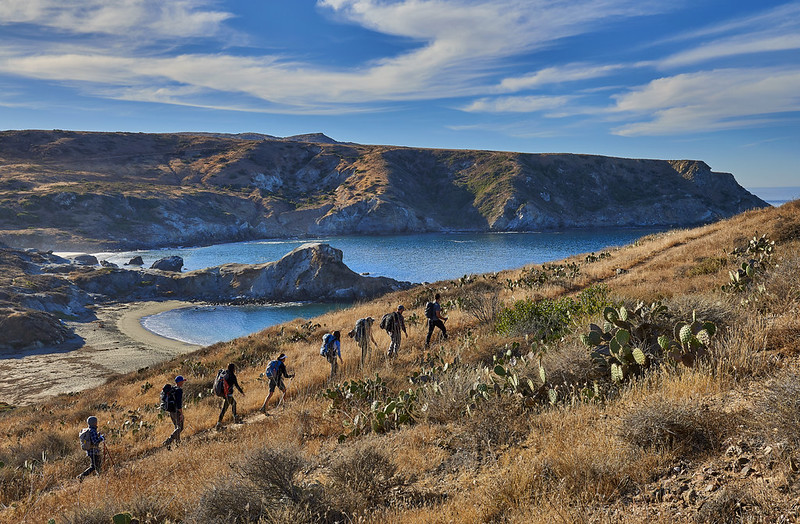
“When it’s green in the spring, people say it reminds them of Ireland,” he said. “You get to sleep on beaches, take dips in the ocean, see an incredible natural landscape with endemic plants and animals. It’s a varied landscape, going from the top of the Island with pine trees and mountain mahogany near Black Jack down to palm trees and Catalina liveforever at Little Harbor.”
He said hikers appreciate the fact that there are no predators like mountain lions or bears to worry about. However, it is important to note other risks like dehydration and sun exposure, primarily, as well as rattlesnakes and bison encounters.
There are many ways to make the experience your own. Hikers typically start the Trans-Catalina Trail in Avalon and finish in Two Harbors, but it can be done in reverse, which offers different views and challenges. It can be completed in as few as three days, but Ammons suggests five.
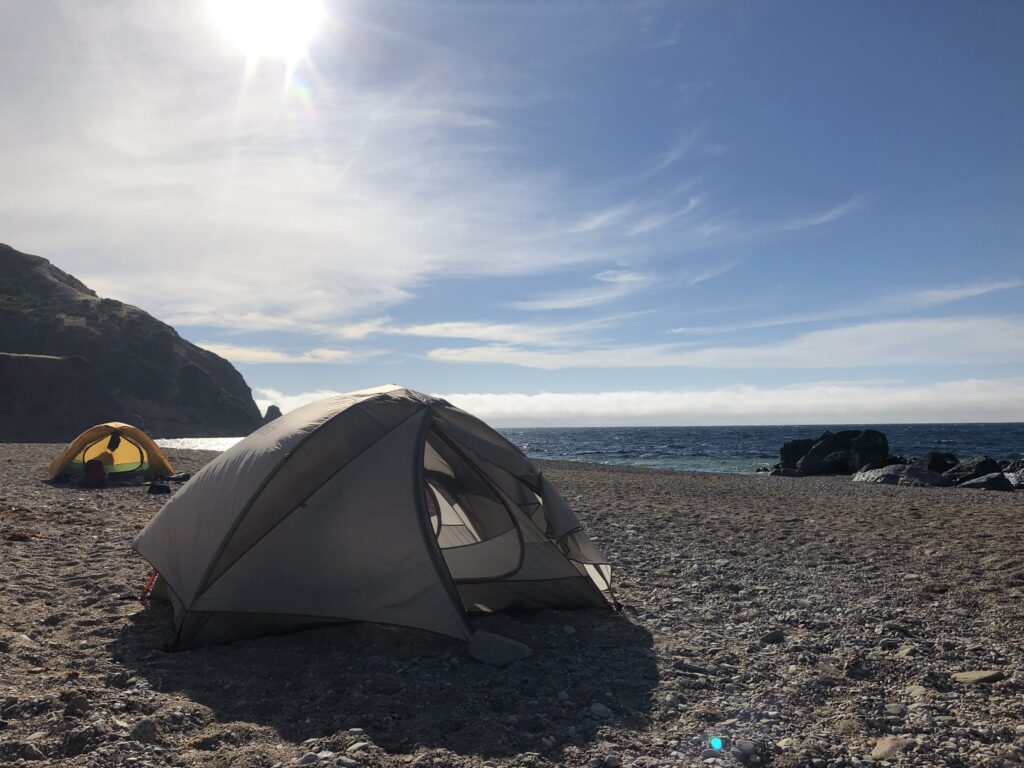
“You need to be in very good shape to do it in three days,” he advised. “If you have some hiking experience, most people can do it in five days and that’s what I prefer. It’s much more enjoyable that way as you have time to experience each of the beautiful campsites and relax a little.”
Before embarking on the adventure, Trans-Catalina Trail hikers should make a plan and pack thoughtfully. Check out this mile-by-mile guide to ensure you pack appropriately. There are stretches of the trail that don’t have water, shade or bathrooms. And the weather can vary significantly depending on the season and time of day. Plus, cell service can be limited or non-existent on much of the trail.
“Making sure you have the right gear, food and water can be the difference in having fun or struggling,” said Ammons. That includes booking campsites in advance to ensure a spot to sleep along the journey.
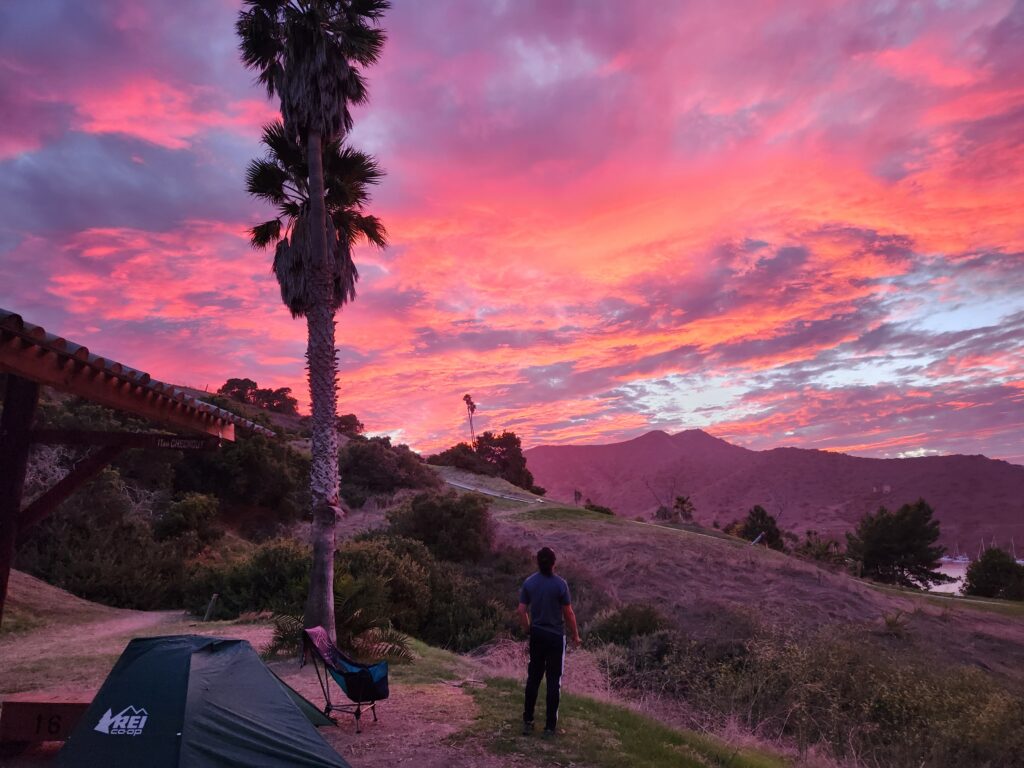
For those who come prepared, hiking the Trans-Catalina Trail is a memorable experience that takes hikers through places few others ever get to see; the soapstone quarry is a sacred Indigenous site, bald eagles nest in tall trees, the endemic Catalina Island fox scampers across steep mountainsides and pelicans dive into the sea to catch lunch, and each day of hiking ends with a gorgeous sunset over the water. These postcard moments are just a boat ride away.