
Court Dismisses All Claims Challenging Catalina Island Restoration Plan
Island RestorationSept. 28, 2026
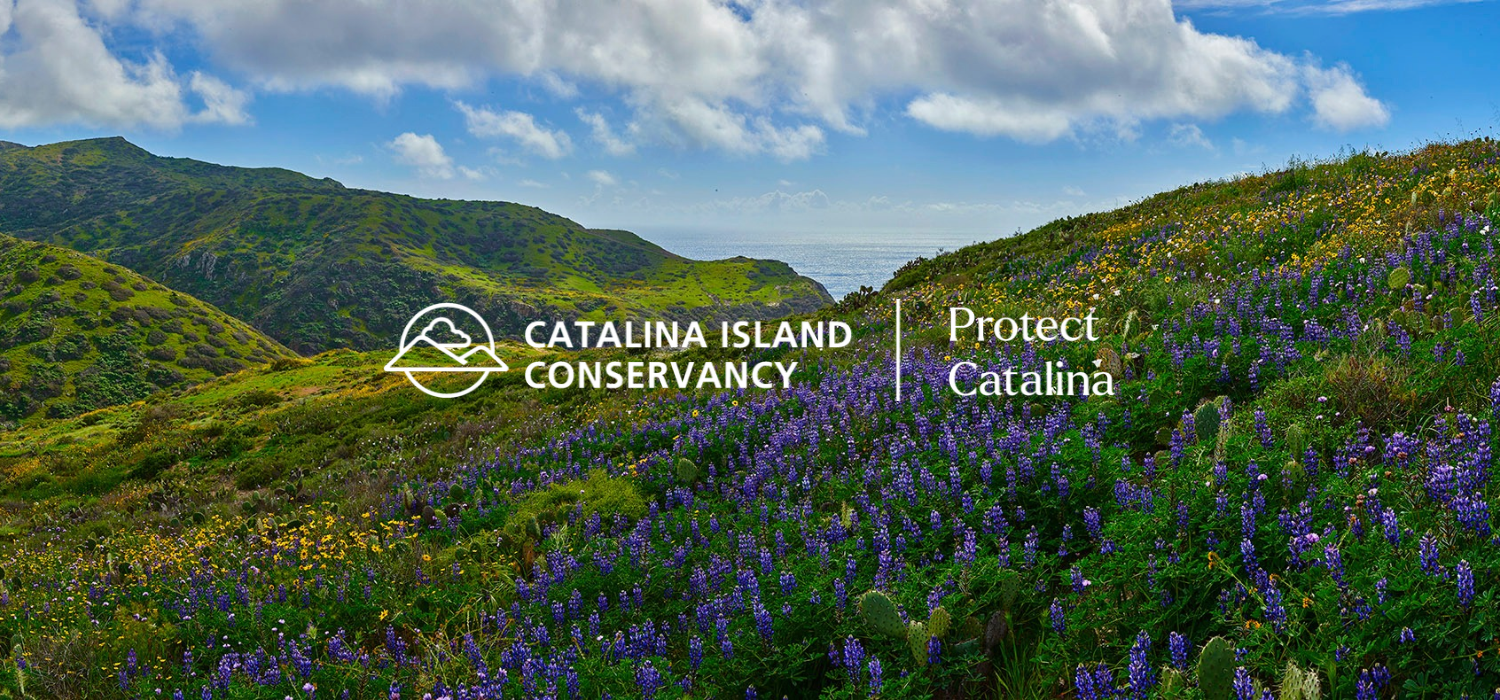
Habitat restoration will support native plants and wildlife like the rare ironwood groves and threatened Catalina Island fox.
A Los Angeles Superior Court judge on Monday, Sept. 28, dismissed all claims brought by hunting groups and their partners challenging the Catalina Island Conservancy’s state-approved island restoration plan.
The ruling dismisses the case in full.
“Catalina Island is the last of the Channel Islands to take this important step, and the Conservancy is committed to giving Catalina’s native landscape the chance to recover,” said Pepe Barton, director of communications for the Catalina Island Conservancy. “That recovery matters not just for the native plants and rare wildlife, but also for the people and livelihoods that depend on this unique place.”
Protect Catalina focuses on long-term habitat restoration
While the legal challenges have largely focused on halting the removal of invasive mule deer, Protect Catalina is a broad, multi-year restoration effort. The plan includes replanting and reseeding native plants, controlling invasive vegetation, protecting soil and freshwater resources, and improving the health and resilience of Catalina’s ecosystem against climate change and wildfire.
With habitat restoration at the center of Protect Catalina, goals include healthier oak woodlands, saving rare Catalina ironwood groves and expanded native habitat for the elusive Catalina Island shrew and threatened Catalina Island fox. Native vegetation increasingly helps stabilize soil, improves water infiltration and better competes with invasive annual grasses that can increase wildfire risk and frequency.
The court dismissed the groups’ claims under the California Environmental Quality Act (CEQA), including arguments over the state’s environmental notice and California Department of Fish and Wildlife’s (CDFW) authority to approve the project. The court found that CDFW acted within its authority in approving the restoration plan.
Monday’s decision follows two earlier rulings in the case, including the Sept. 3 denial of a request to halt the preliminary phase of invasive mule deer removal on Catalina.
The impacts of invasive mule deer on Catalina’s native ecosystem are well documented. The Conservancy evaluated alternative approaches, but none proved feasible at the scale of Catalina’s landscape.
Complete removal is the approach authorized by CDFW, which approved the Conservancy’s restoration management permit in January 2026 following years of collaborative planning, scientific review and public engagement. Protect Catalina has drawn support from wildfire prevention experts, conservation organizations, scientists, residents and tribal groups within the Gabrieleno-Tongva community.
The Conservancy will continue providing project updates and information to the Catalina community as the work moves forward, with a focus on transparency, continued dialogue and a shared commitment to Catalina’s future. Current project information, supporting science and this fall’s operations notice are available at catalinaconservancy.org/protect.
The Conservancy is represented by Shute, Mihaly & Weinberger LLP.
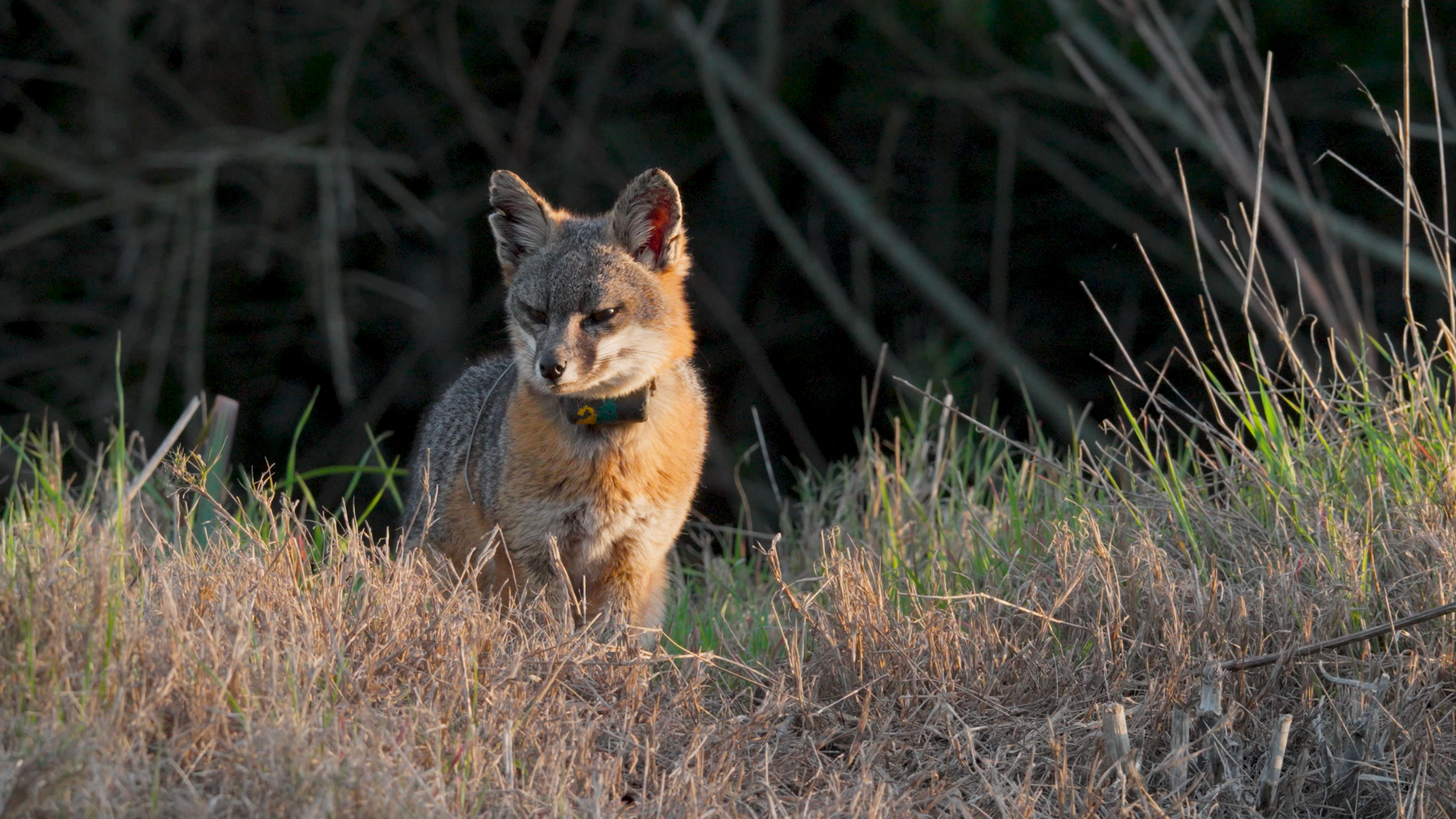
The Catalina Island fox remains a threatened species. The Conservancy monitors foxes annually as part of its ongoing work to care for Catalina’s native and endemic wildlife.
