
Conservancy Scientists Share Rare Plant, Wildlife Research at Conferences
ConservationApril 20, 2026
Catalina Island Conservancy scientists took their conservation work to two recent California conferences, sharing a technique to deep-freeze rare plant material and the latest findings from the Island’s fox and shrew monitoring programs.
Preserving Rare Plants
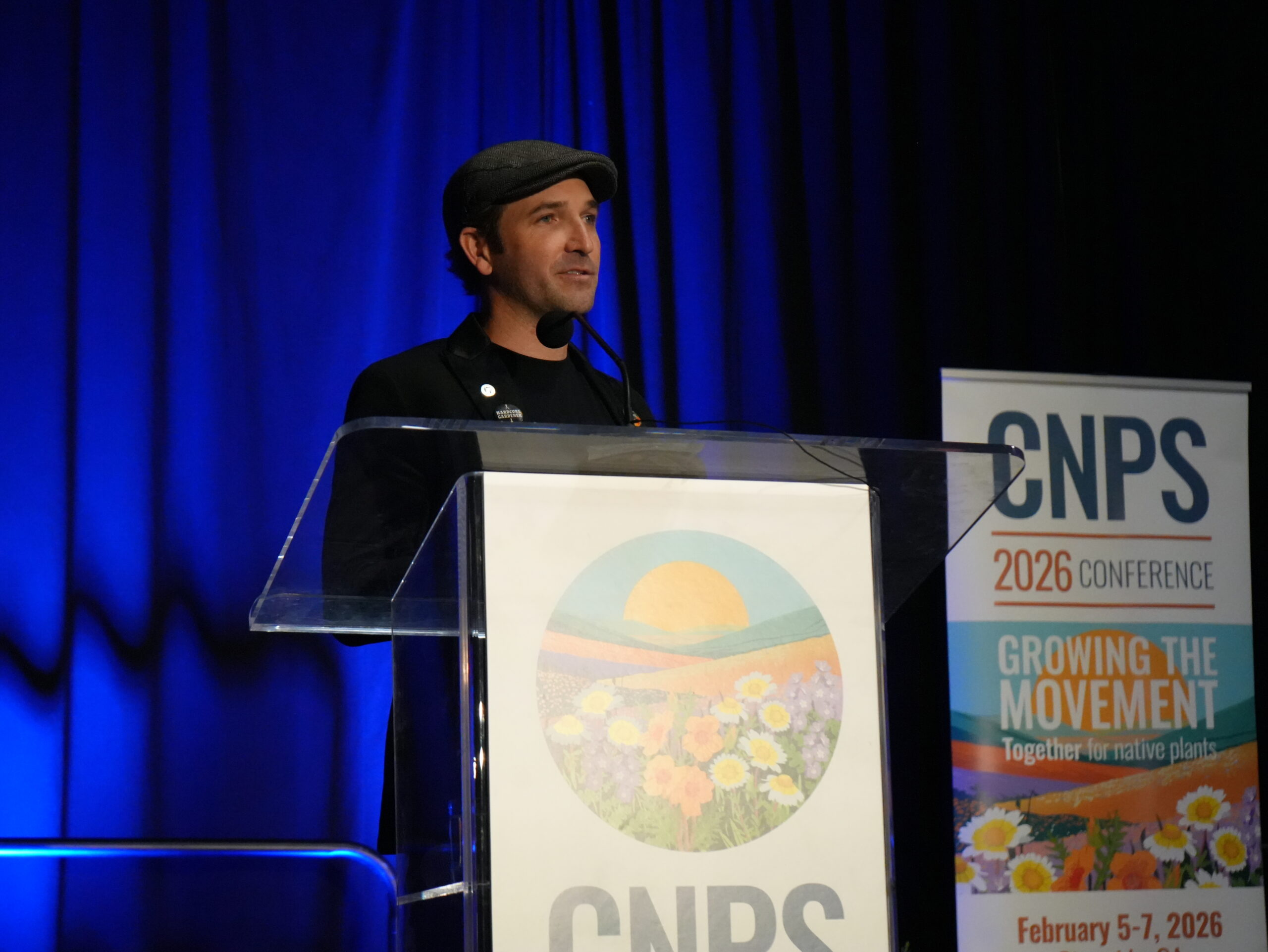
Native Plant Manager Kevin Alison presented at the 2026 California Native Plant Society on innovative strategies for preserving rare plants. This approach garnered a lot of interest from conservationists statewide conference in Riverside. There, Alison explained the plight of the Catalina Ironwood (Lyonothamnus floribundus spp. floribundus), one of the Island’s rare trees.
“Although the species name is floribundus – abundant flowers – it does not produce viable seed,” he said. “We have only less than 120 groves. What we’ve found is that each of these groves is essentially one individual.”
Alison explained how producing synthetic seeds of rare plants like the ironwood can be stored in a deep freeze, known as cryopreservation, for future use.
“It’s a synthetic seed with the baby plant, nutrients and synthetic seed coat that can go into really cold temps of cryopreservation,” he explained. “You can then acclimatize those in the greenhouse. Species that aren’t impacted by traditional methods – you can make sure they don’t go extinct, especially with getting them into cryopreservation.”
In introducing the synthetic seeds approach, he explained that traditional conservation strategies of cutting propagation have not been successful. Faced with numerous threats, the ironwood population has dipped dangerously low.
Deer are eating the small ironwood sprouts, killing off newly developing trees. And there are other factors to this tree’s struggle.
“We also think there could potentially be a missing pollinator,” explained Conservation Horticulturist Lexy Coons. “When we visit the groves, we see a lot of African honeybees that could have potentially pushed out a native honeybee or another pollinator that would be doing the pollinating for our trees.”
The approach is also being attempted with the rare Catalina mountain mahogany (Cercocarpus traskiae), though this protocol is still in development.
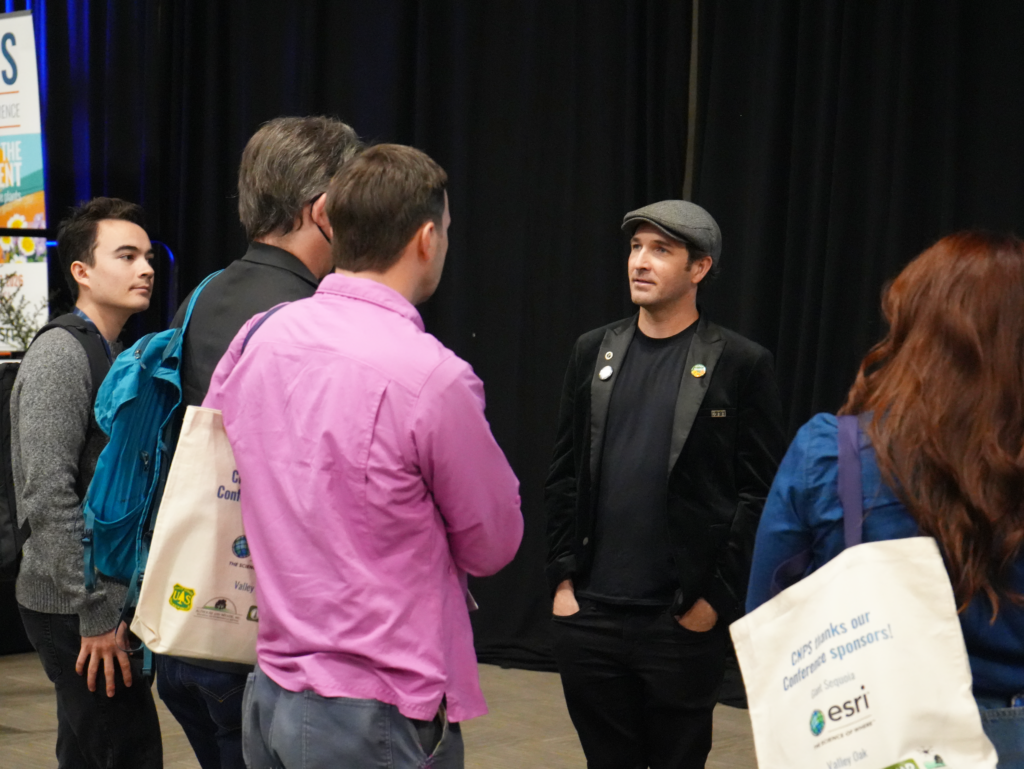
After his presentation, fellow conservationists approached Alison with questions about implementing his approach with their own rare plants.
Connecting with other conservationists isn’t just good for idea sharing, it’s critical to creating a network of safeguards for rare and endangered species.
“People have been offering for us to come see their gardens and see their Channel Island collection and we’d like to add to that,” said Coons. “If we get to visit their garden and learn from them, we can bring plants from Catalina that they don’t have represented and that’s a great backup if something happened to the species on our Island, we can bring it back.”
Monitoring Rare Mammals
At a conference in Northern California, members of the Conservancy’s wildlife team presented on monitoring programs for the Catalina Island shrew and fox. The Western Section of the Wildlife Society in Monterey focused on success as a journey, not a destination.
“The purpose is to share projects, reconnect as a community and network,” said Conservancy Wildlife Conservation Manager Katie Elder, who was joined at the conference by Wildlife Biologist Destiny Saucedo and Assistant Wildlife Biologist Emily Kreisberg.
Kreisberg presented on the shrew, which has only been recorded a few dozen times since their discovery in 1941. Camera traps placed in buckets on the Island are used to detect the shrew, which was captured on camera on the Ben Weston trail in March 2026.
Elder and Saucedo shared with the audience their work on fox monitoring, which occurs every fall. The Catalina Island fox nearly went extinct at the turn of the twenty-first century due to an outbreak of the canine distemper genetically traced to a strain from raccoons. Watch this mini documentary about the fox’s extraordinary comeback.
“There are other researchers who are trying to better understand the communities they work in. Students are learning about the possibilities within their field and researchers are sharing ideas on how to address similar challenges or research topics,” said Elder. “We also get feedback on our work and make new connections to optimize the work we are doing.”
Elder said her team connected with new partners like Institute for Wildlife Studies (IWS), Santa Clara Valley Habitat Agency, a research professor from California Polytechnic State University, and Natural Resources Conservation Service (NRCS) – one of the Conservancy’s grant partners.
Making connections and sharing science is key to advancing conservation here on Catalina Island, across California and beyond.
