
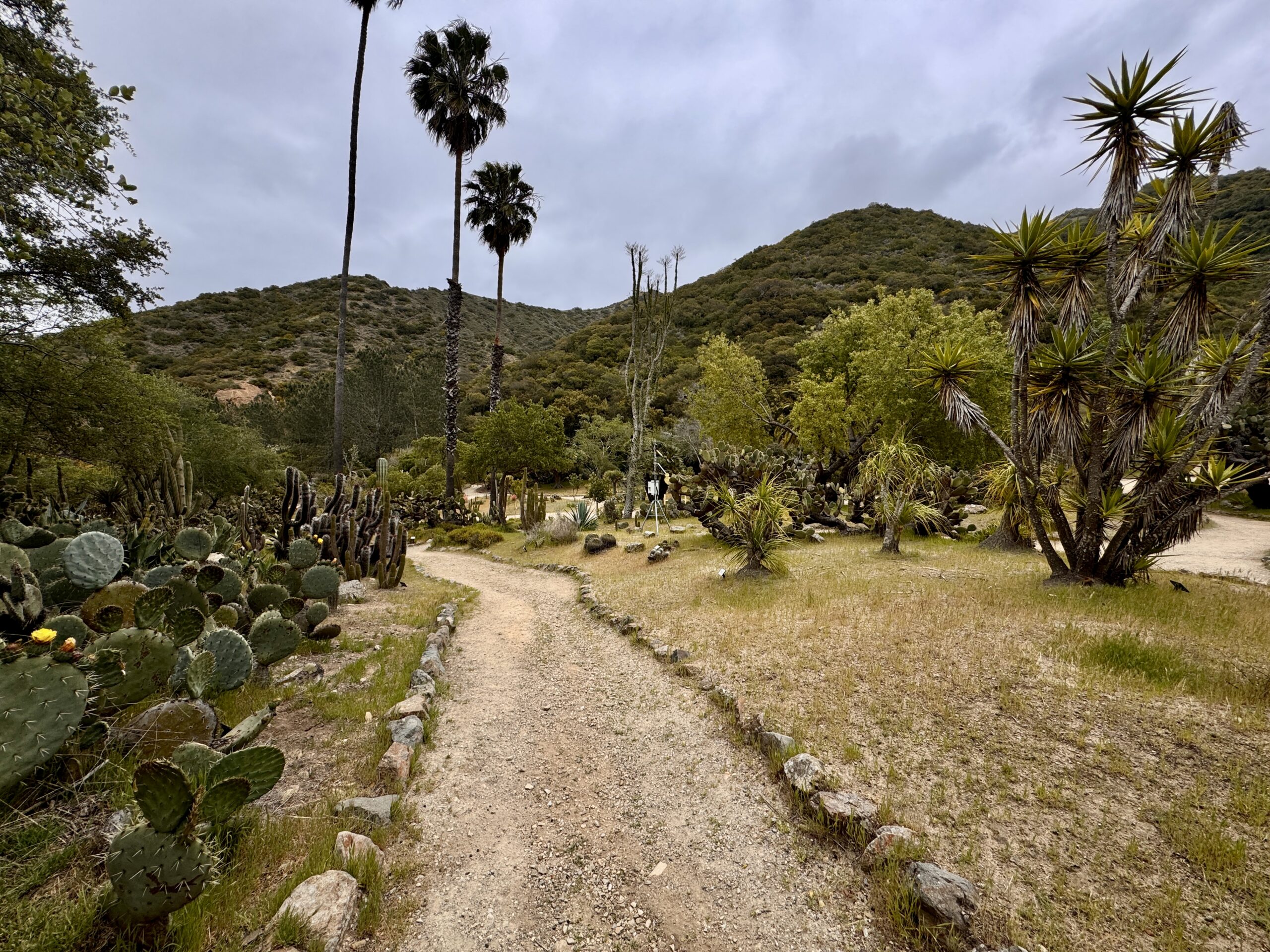
Tucked away in a quiet corner of Catalina’s largest garden is a special place to disconnect from the outside world and be fully immersed in nature.
People of all ages can find inspiration among the flowers at the Wrigley Memorial & Botanic Garden’s new journaling bench, a place to write, reflect or simply watch the seasons change. Children are invited to send handwritten letters to the Catalina Island fox, using the designated mailbox that transports their notes to the Conservancy’s Island ambassador. The enchantment continues as children explore Little Fox Hollow, a newly developed corner of the Garden that’s designed to nurture their young imagination.
“We designed Little Fox Hollow with kids in mind as a way to encourage curiosity and unstructured, creative play in this incredible outdoor environment,” said Dr. Jolie Colby, director of education. “Being outside in nature unlocks our imaginations and we want the community – people of all ages – to experience that joy and wonder here at the Garden as an extension of their own backyard.”
-
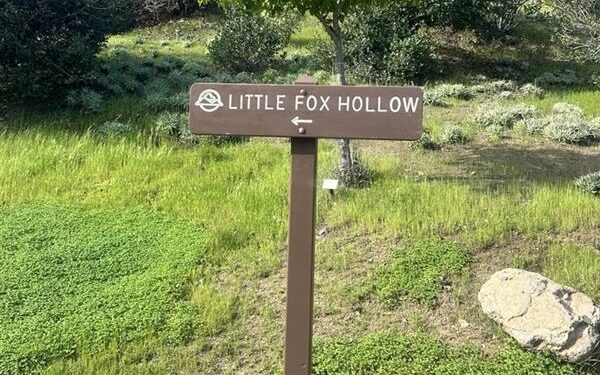
- New sign
-
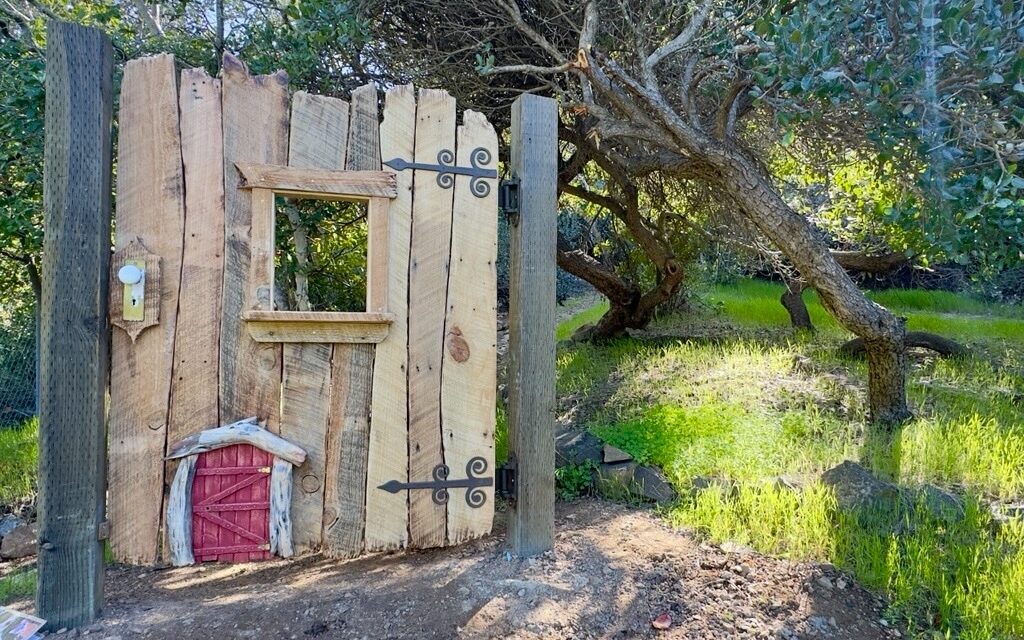
- Little Fox Hollow entrance
-
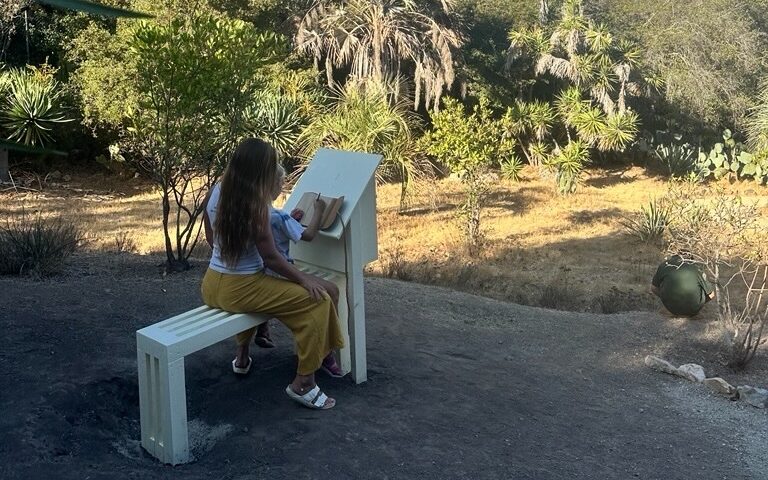
- Journaling bench
The Conservancy also installed new placards on native and endemic plants in the garden, including at least five new educational signs that help visitors understand the ecological and cultural significance of the landscape. These interpretive signs, made possible thanks to the National Recreation Foundation, include the English, Spanish and Gabrieleno-Tongva words for each featured plant.
“For years, the Conservancy has been working alongside our tribal partners to find new ways to honor the Island’s ancestral caretakers,” said Colby. “Installing signage with the Indigenous language for each native and endemic plant is not only a necessary way to recognize that historical and present relationship between the tribes and the land, but it serves to educate visitors.”
Visitors can also check out free plant guides that explain the many traditional Indigenous uses of these plants for food, medicine and materials. The guide also provides insights into the long-standing presence of the Gabrielino-Tongva people and their deep cultural relationship with the Island’s plant life. Together, the signage and plant guides help visitors experience the Garden not just as a collection of plants, but as a living landscape shaped by generations of stewardship.
The new installations at the Garden are being unveiled at a community open house that invites community members to celebrate spring together from 11 a.m. to 3 p.m. on March 28. The free Spring in the Garden family event will introduce families to these newly curated spaces, while sharing insights about native plants, Indigenous history and cultural plant connections, the Conservancy’s restoration work and our improvements at the garden. Other activities include: a scavenger hunt, crafts, short, guided tours, mini-workshops and more.
“As a long‑time Islander, I’m excited about the idea of the Garden becoming a community space where locals can relax and Island kids can play and explore,” said Barbara Burke, Conservancy education programs coordinator and Island resident.
The Catalina botanic garden was started in 1935 as Ada Wrigley’s private desert plant collection, featuring remarkable exotic specimens. Moving from private ownership to more public access, the Garden was reborn in the 1970s with increased focus on the native and endemic species of Catalina Island.
Visits are always free to members. The Conservancy recently launched a special Islander Membership that provides deeply discounted memberships to locals so they can explore unique places like the garden, access members only events, utilize $3 per way shuttle rides into the wildlands and the Airport in the Sky, and take advantage of discounted Eco Tours.