
CAL FIRE funds $897,000 Catalina fire prevention project led by Conservancy partner
ConservationMarch 6, 2026
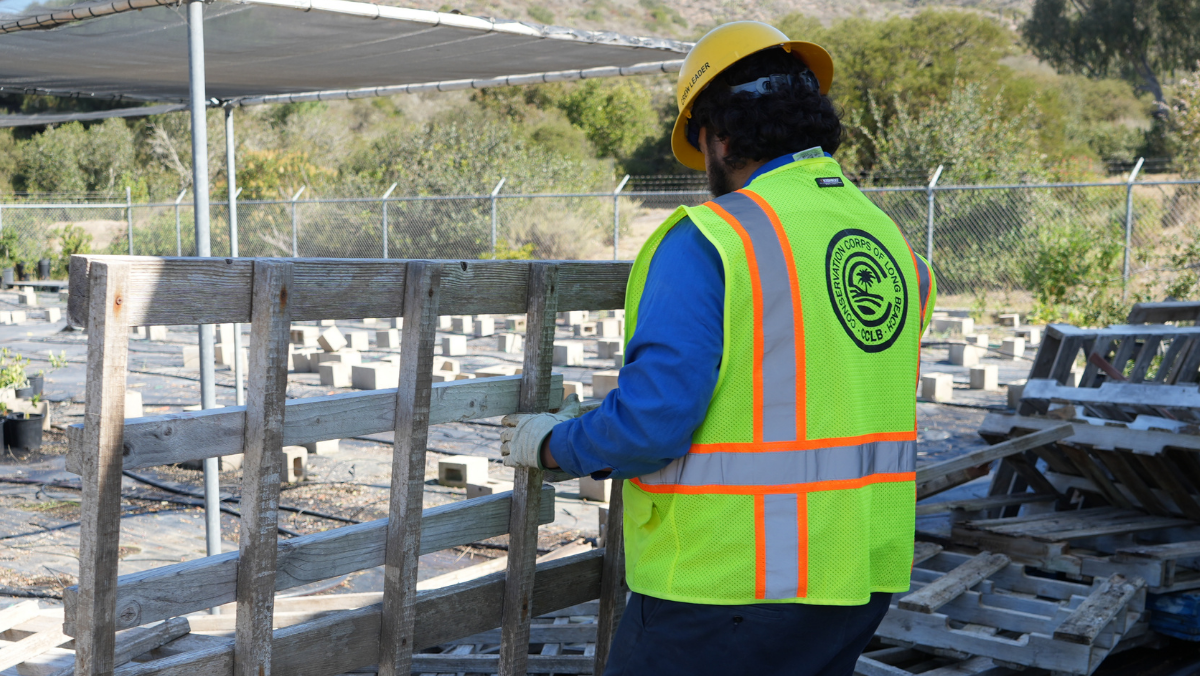
A Catalina Island Conservancy partner, the Conservation Corps of Long Beach (CCLB), has been awarded a grant by CAL FIRE to support the Conservancy’s wildfire resilience efforts. Wildfire is a growing threat on Catalina Island, where changing climate patterns, the spread of invasive grasses and human activities can heighten risk. The $897,000 grant will fund additional management of flammable vegetation like Genista linifolia, a highly flammable and invasive shrub with a major presence near the town of Avalon. The grant will also support LA County’s fire breaks around Avalon, in an effort to protect the community and infrastructure.
“When we worked to identify where to focus our project, we noticed a lot of our work is focused on mainland Los Angeles County and many other applicants were focused on the mainland,” said CCLB’s Executive Director and CEO Dan Knapp. “We wanted to highlight the fire risk on Catalina, protect endemics and grow our partnership with the Conservancy. It was a more competitive grant application because it brings an awareness to Catalina that hasn’t been there before.”
The project plan outlines the removal of invasive grasses and plants that create risks of wildfire spread on Catalina Island. The grant will support CCLB corpsmembers’ work alongside the Conservancy and L.A. County Fire to perform hazardous fuel reduction that will protect around 1,800 habitable structures around Avalon. Their key focus area includes 450 acres of land and roads in and out of Avalon, including: Stagecoach Road, Saint Catherine Way, East End Light Road, Wrigley Road and Avalon Canyon Road.
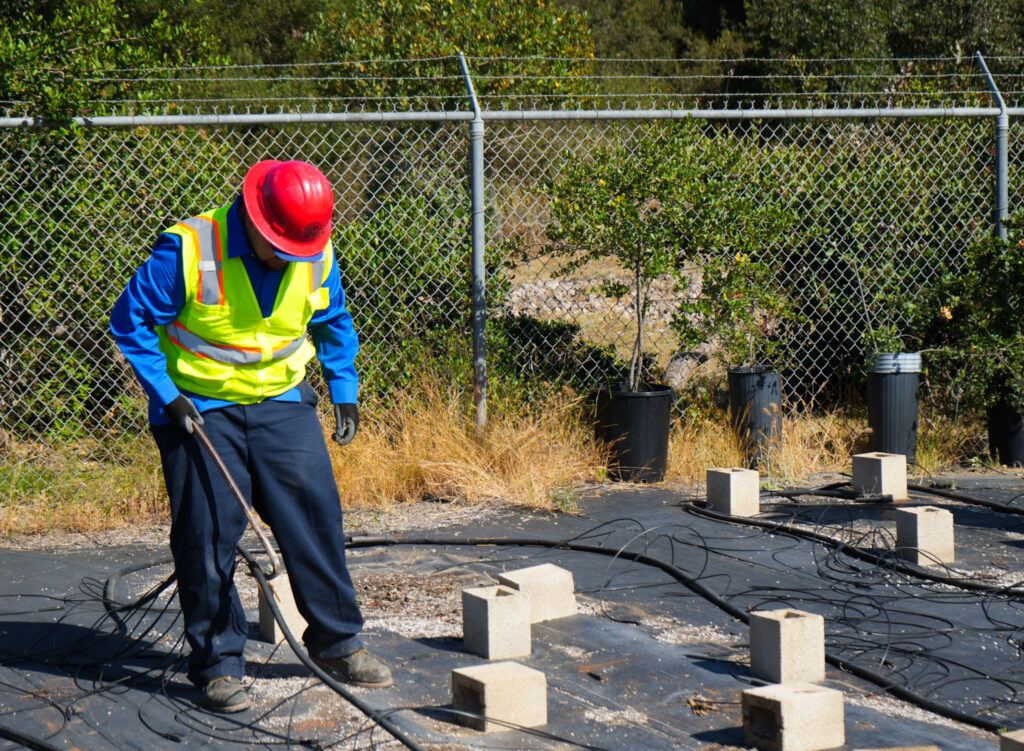
CCLB is a southern California organization that inspires its young members to find their potential through work, service and education. Since its inception in 1987, CCLB has connected its members with meaningful opportunities that involve everything from recycling to tree management and even construction projects.
“We’re proud to partner once again with Conservation Corps Long Beach on this important effort to reduce wildfire risk on Catalina Island,” said Conservancy Chief of Programs Adam Fink. “For many years, CCLB crews have been trusted partners here — supporting trail work, road improvements, brush clearance and invasive plant management across the Island. This project builds on that long-standing collaboration by removing hazardous, flammable vegetation around Avalon, reducing the fuel load to protect the community while restoring healthier, more resilient landscapes.”
Every year, CAL FIRE awards funding to organizations that submit comprehensive plans to improve public health and safety while reducing greenhouse gas emissions. CCLB was one of 84 California wildfire prevention projects – and one of only four Los Angeles County projects – to receive a portion of the $62.7 million in grant funding. The Wildfire Prevention Grants Program is funded through California Climate Investments (CCI), which utilizes cap-and-trade dollars.
This partnership will further support the Conservancy’s restoration plan, that includes conservation initiatives, habitat restoration and wildfire prevention under one coordinated effort. This work is critical, given the uniquely high biodiversity of the Island, which is home to more than 60 endemic species of plants, animals and insects found nowhere else. CCLB has been a long-time partner of the Conservancy, supporting the organization through work at the Ackerman Native Plant Nursery, at Middle Ranch and on the landscape.
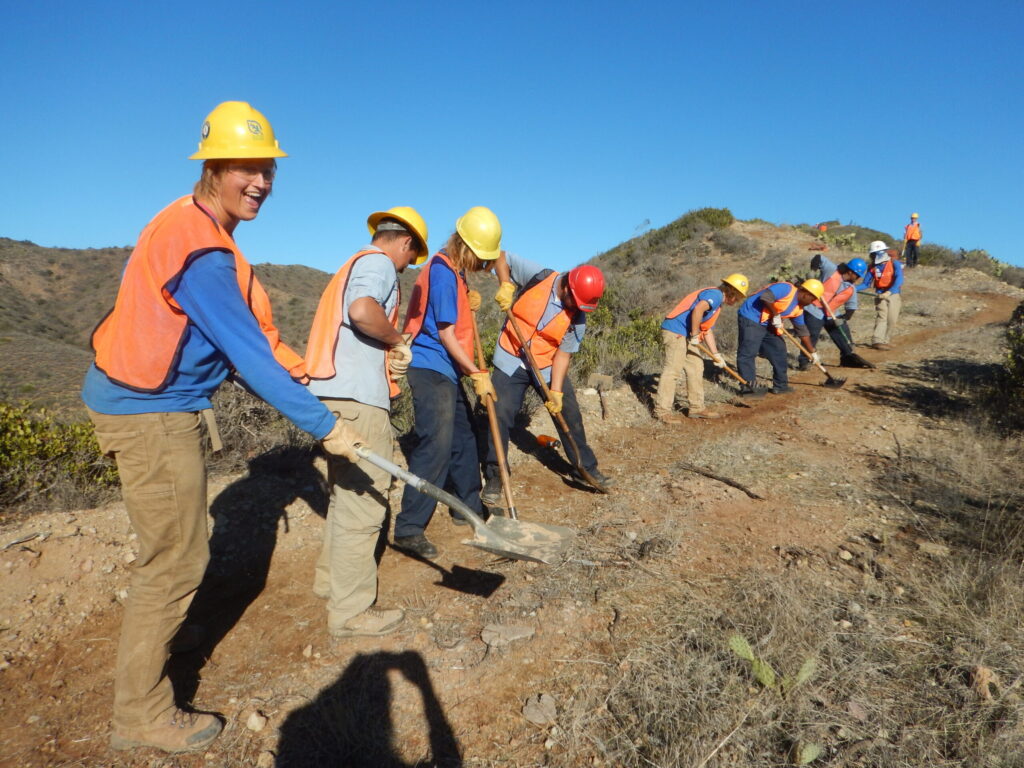
“We’re grateful for our partnership with the Conservancy,” said Knapp. “Conservancy staff take the time to support their development, give them valuable skills and share conservation values. It’s really grown how our corpsmembersview this work after their time here and helps broaden their idea of what they can do with a career in conservation afterward. Working on Catalina is a coveted experience that our members really enjoy.”
CCLB is currently identifying corpsmembers for this work on Catalina and will eventually begin sending crews out to support the Conservancy’s work across 62 1-week-long visits through 2029. Next steps include planning and preparation between the Conservancy and CCLB, which is expected to begin July 1, 2026.
More Conservation
Snakes, frogs, and lizards…oh my!
ConservationOn the morning of April 5, 2022, Catalina Island Conservancy staff, American Conservation Experience interns and three Loma Linda University graduate students conducted an extensive survey spreading all the way from Ben Weston to the Airport in the Sky.
Continue Reading